Best Spray Paint for Wood Furniture: Enamel, Prep & Seal
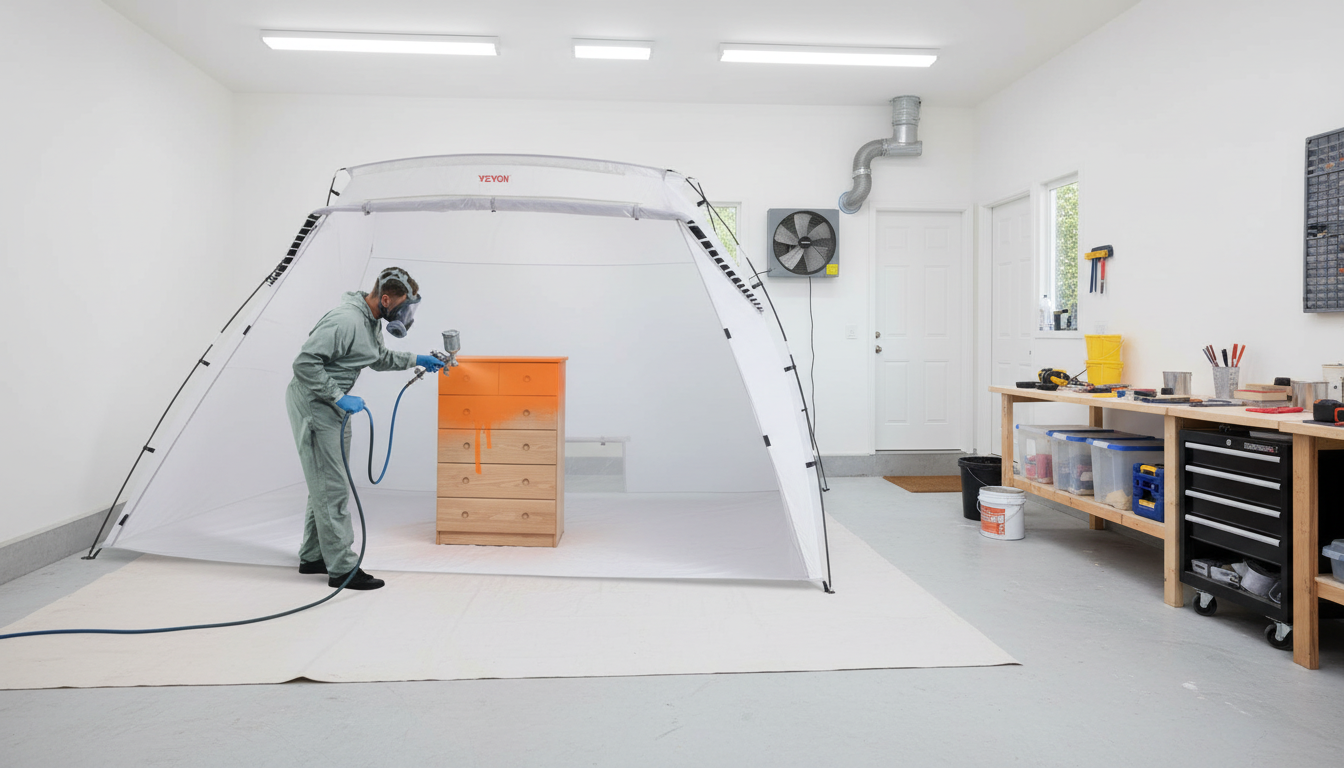
What spray paint can I use on wood furniture?
For most wood furniture projects, the best spray paint is an all-purpose enamel or a furniture-specific spray paint that’s labeled for “wood” and “interior/exterior.” These formulas typically cure harder than basic craft sprays, resist scuffs, and level out well for a smoother finish on tabletops, dressers, chairs, and cabinets.
If the piece will see heavy wear (like a dining chair or side table), choose a durable enamel spray (often marketed as “protective enamel” or “hard finish”). For a more refined look, a chalk-style or matte furniture spray works well, especially on dressers and accent pieces—just plan to protect it with a compatible clear coat if it’ll be touched a lot. For outdoor wood furniture, pick an exterior-rated spray paint with UV and moisture resistance.
What to use for the best results
Primer: Use a bonding primer in spray form if the wood is glossy, stained, sealed, or you’re switching from dark to light. For raw, porous wood, a stain-blocking primer helps prevent tannin bleed (common with pine, cedar, oak, and mahogany).
Paint: Apply multiple light coats rather than one heavy coat to avoid drips and uneven texture. Many furniture sprays offer satin or semi-gloss finishes that are forgiving and easy to clean.
Topcoat (optional but smart): A clear spray topcoat adds scratch resistance. Match the chemistry when possible (for example, use the brand’s recommended clear coat) and choose the sheen you want—matte, satin, or gloss.
Quick prep checklist
Clean with a degreaser, lightly scuff-sand glossy surfaces, remove dust, and spray in a well-ventilated area. If you’re setting up a cleaner workspace to reduce overspray and debris, see this guide: https://epicdealsstation.shop/guide-spray-shelter-setup-furniture-craft-projects/.
FAQ
Do I need to seal spray-painted wood furniture?
Sealing is recommended for high-touch or high-traffic pieces to improve scratch and stain resistance. Use a compatible clear coat and let the paint fully dry before topcoating.










Leave a comment