Programmable Slow Cooker: Is It Worth Buying?

Is a programmable slow cooker worth it?
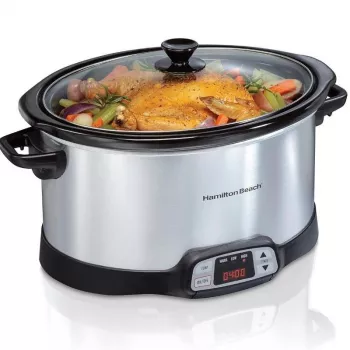
A programmable slow cooker is worth it for many kitchens because it reduces babysitting and helps prevent overcooking. Instead of guessing when to switch from “high” to “low” or worrying about being late for dinner, you can set the cook time and let the cooker handle the rest.
What “programmable” actually changes
The biggest upgrade is scheduled control. Many models let you choose a cook time (like 4–8 hours), then automatically shift to a warm setting when time is up. That’s useful for weeknights, meal prep, and potlucks where food needs to stay safely hot without continuing to simmer aggressively.
When it’s a smart upgrade
A programmable model tends to pay off if you’re often away from the kitchen, cook tougher cuts that can turn stringy if left too long, or rely on slow cooking during workdays. The warm-mode switch helps keep chili, pulled pork, and soups at a serving temperature while protecting texture.
When a basic slow cooker is enough
If most of your recipes are forgiving (like broth or bean-heavy soups), you’re usually home to turn the dial, or you prefer a simple interface, a manual slow cooker can still do the job. Programmable features don’t automatically improve flavor; they mainly improve timing and consistency.
Features that matter most
Look for a clear countdown timer, sturdy handles, and a removable, dishwasher-safe stoneware insert for easier cleanup. A tight-fitting lid also helps maintain steady heat and reduces mess during transport. For a deeper breakdown of practical features to prioritize, see this guide to countdown-timer slow cookers with dishwasher-safe crocks.
For Programmable Slow Cooker: Is It Worth Buying?, the best answer depends on fit, material, care instructions, and how the product will be used day to day.
FAQ
What’s the difference between a slow cooker and a Crock-Pot?
“Slow cooker” is the generic category, while Crock-Pot is a brand name. Functionally, they work the same way: low, steady heat over several hours in a lidded pot.










Leave a comment