5 Downsides of Grow Lights for Indoor Plants
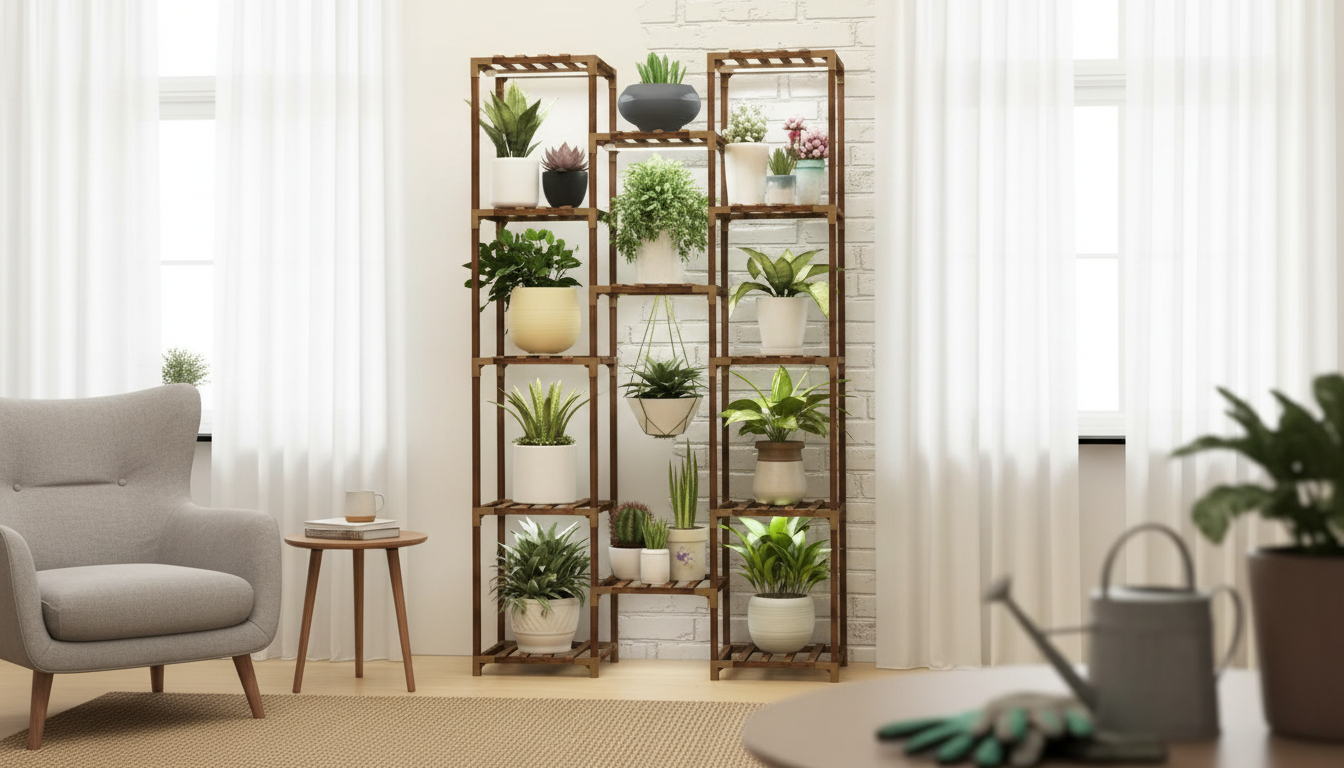
What are the drawbacks of using grow lights for indoor plants?
Grow lights can make indoor gardening easier, but they come with trade-offs that matter for comfort, cost, and plant health. The biggest drawbacks typically fall into a few buckets: energy use, heat, light quality, placement limitations, and maintenance.
Higher electricity use (and ongoing cost)
Even efficient LEDs add to your power bill when they run 10–16 hours a day. If you’re lighting multiple shelves or a large plant collection, the monthly cost can add up quickly—especially in winter when lights run longer and indoor temperatures are lower.
Heat buildup and drying effects
Many grow lights generate noticeable warmth. In tight spaces (like a tiered plant stand), trapped heat can stress plants, dry out potting mix faster, and lower humidity around foliage. Heat can also be uncomfortable in small rooms and may require extra ventilation or spacing.
Risk of light stress from wrong distance or schedule
Too much intensity or lights placed too close can cause leaf bleaching, crispy edges, or stunted growth. Too little light leads to leggy stems and slow development. An inconsistent timer schedule can also disrupt plant routines, especially for flowering plants that respond to day length.
Glare and aesthetics in living spaces
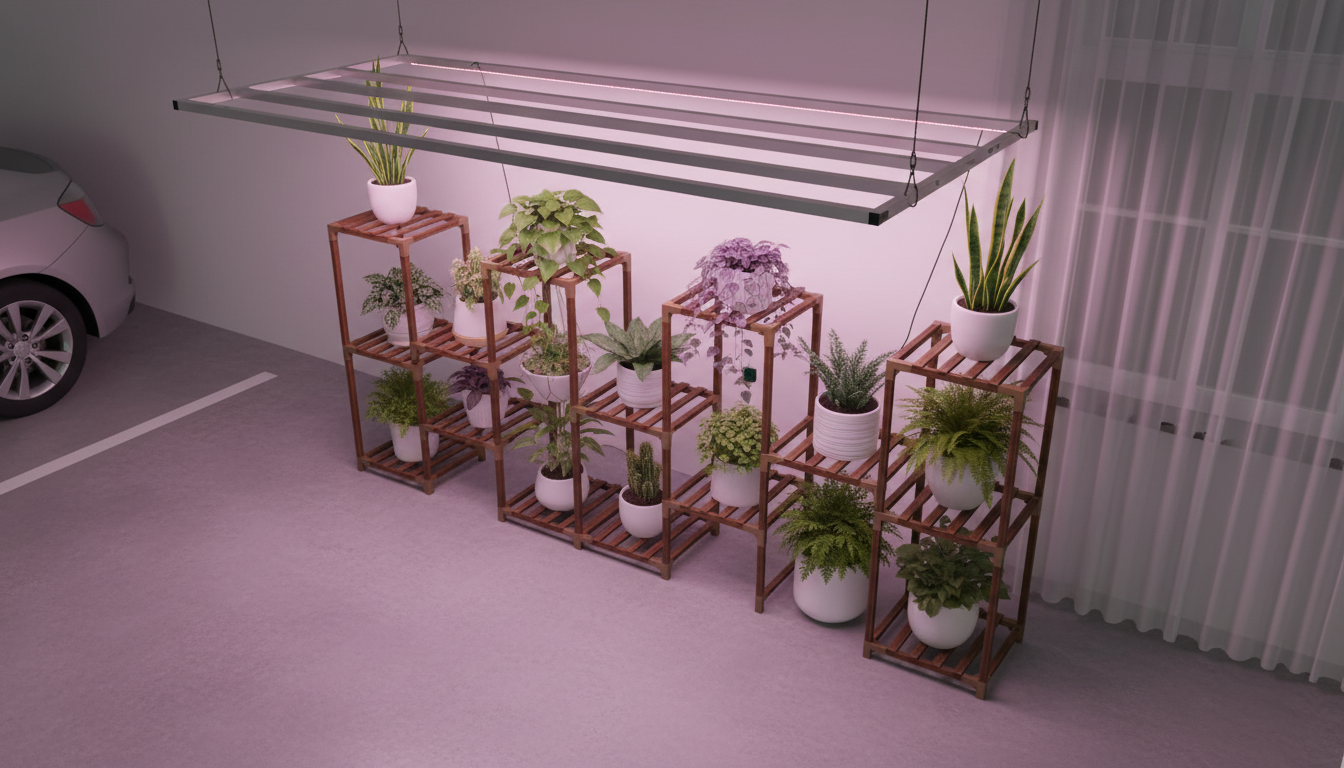
Bright, cool-toned LEDs can look harsh at night and create glare in bedrooms or living rooms. Some fixtures also cast purple or pink hues that don’t blend with most home decor, which can be a downside if the plants are in a high-traffic area.
Space, cord management, and upkeep
Grow lights require mounting points, safe cable routing, and outlets. More equipment means more cleaning (dust reduces output), occasional replacement, and troubleshooting. Safety also matters: water plus electricity requires drip loops, secure plugs, and stable fixtures.
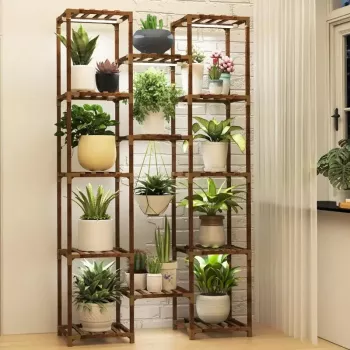
If you’re considering a shelf-style setup with integrated lighting, see practical sizing and setup details in this guide: 63-inch 13-tier plant stand with grow light (boho).
FAQ
Do grow lights need to be on all day?
Most houseplants do best with a consistent 10–14 hours of light daily rather than all day. A timer helps prevent overexposure and keeps the schedule stable.







Leave a comment